 4.8 | 310 reviews


 972-492-5369
Winter in Texas is unpredictable. One day it’s mild and sunny, the next a cold snap sweeps across your city, bringing freezing temperatures that your home’s plumbing may not be ready for. While many homeowners worry about snow and ice in northern states, Texans face their own plumbing challenges during winter. Homes here are typically built to handle heat, not extended cold, which can make pipes especially vulnerable.
Frozen pipes are more than a minor inconvenience. They can crack, burst, and cause significant water damage, often leading to thousands of dollars in repairs. From replacing drywall and flooring to dealing with damaged furniture, the cost can quickly escalate. Preparing your pipes for winter, on the other hand, is relatively simple and cost-effective. It involves a combination of inspection, insulation, minor repairs, and sometimes professional plumbing services.
This guide will walk you through the entire process of winterizing pipes. You’ll learn how to identify the most vulnerable plumbing, what tools and materials are needed, step-by-step instructions, and additional strategies to protect your home. By the end, you’ll know exactly what actions to take to save money and prevent damage this winter.
Understanding the Risks of Frozen Pipes
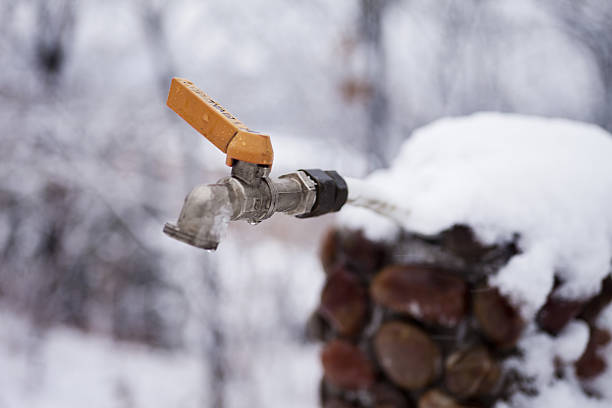
Why Pipes Freezes in Winter
Water expands as it freezes, and when it does so inside a pipe, it creates pressure on the surrounding pipe walls. If that pressure becomes too great, the pipe can crack or burst. This is why frozen pipes often lead to severe water damage.
In Texas, even a brief period below 32°F can cause trouble. Pipes in unheated areas, such as attics, crawl spaces, garages, or exterior walls, are the most vulnerable. Homes that rely on older plumbing or copper pipes may also experience faster freezing because copper loses heat more quickly than plastic.
Common Signs of Pipe Stress
Before winter arrives, look for signs that your plumbing may be at risk:
- Slow leaks or damp spots near pipes
- Frost on pipes, especially in attics or crawl spaces
- Unusual noises, such as banging or whistling when water runs
- Sudden drop in water pressure
Recognizing these signs early allows you to address problems before freezing temperatures cause major damage.
Financial Impact
Ignoring winterization can lead to expensive repairs. A single burst pipe can damage floors, walls, and personal belongings. Repairing water damage often costs more than preventive measures. A professional plumbing service in Texas can help you assess vulnerable areas and perform inspections for a fraction of the cost of a major repair.
Tools and Materials for Winterizing pipes
Winterizing pipes requires a few simple tools and materials. Having everything ready makes the process easier and more effective.
Basic Materials
- Pipe insulation sleeves or foam tubing: Protects exposed pipes from cold air.
- Insulation tape: Helps seal small gaps or wrap irregular pipe sections.
- Heat tape or thermostatically controlled heating cables: For high-risk pipes in extremely cold areas.
- Pipe clamps and zip ties: Keeps insulation securely in place.
Optional Professional Materials
- Reflective pipe wrap: Enhances insulation for particularly cold areas.
- Heated water circulation systems: Ideal for vulnerable or critical pipes in high-risk homes.
Safety Precautions
- Turn off electrical circuits before using any powered devices near pipes.
- Avoid over-tightening insulation materials, which can damage the pipes.
- Wear gloves and protective eyewear when working in tight or cold spaces.
Step-by-Step Guide to Winterizing Pipes
Step 1: Locate Vulnerable Pipes
Not all pipes are equally at risk. Start by identifying the ones most exposed to cold air:
- Exterior water lines
- Pipes in attics, garages, and crawl spaces
- Pipes along exterior walls
Pay extra attention to older or thin-walled pipes, which are more likely to freeze and burst.
Step 2: Drain Water from Exterior Hoses and Sprinklers
Before the first freeze, turn off the water supply to outdoor spigots and remove any standing water from hoses or irrigation lines. Water left inside these pipes can freeze and expand, causing cracks.
- Tip: Drain sprinkler systems completely to avoid costly damage.
- Tip: Store garden hoses indoors during winter to protect both the hose and the outdoor spigot.
Step 3: Insulate Pipes
Wrap exposed pipes with foam sleeves or insulation tape. Focus on bends and joints, which are more vulnerable to cold.
- Foam sleeves: Easy to cut and install. Simply slide over the pipe and secure with tape or zip ties.
- Insulation tape: Best for irregular-shaped pipes or areas where sleeves don’t fit. Wrap tightly but avoid compressing the pipe.
Step 4: Install Heat Tape or Heating Cables if Needed
For pipes in especially cold areas, install thermostatically controlled heat cables. These maintain a safe temperature along the length of the pipe, preventing freezing.
- Follow manufacturer instructions carefully.
- Only use cables rated for indoor or outdoor use depending on pipe location.
- Avoid overlapping cables, which can create hot spots and potential hazards.
Step 5: Seal Gaps and Drafts
Inspect areas where pipes pass through walls, doors, or crawl spaces. Seal gaps with foam or caulking to prevent cold air from reaching pipes. Even a small draft can make a big difference.
- Tip: Check around windows, doors, and attic vents near plumbing.
- Tip: Use weather stripping where necessary to reduce airflow.
Step 6: Keep Cabinet Doors Open Under Sinks
Pipes located under sinks or in enclosed cabinets can freeze faster due to limited airflow. Opening cabinet doors allows warmer indoor air to circulate, helping prevent freezing.
Additional Tips to Save Money on Pipe Repairs
Taking a few extra steps can reduce the risk of frozen pipes and save money:
Schedule a Professional Plumbing Inspection
A licensed plumber can inspect your plumbing system, identify vulnerable pipes, and suggest preventive measures. Many plumbing services offer winterization packages that include pipe insulation and minor repairs, which cost far less than emergency fixes.
Monitor for Slow Leaks
Even a small drip can indicate a stressed pipe. Checking pipes regularly during cold snaps allows you to act quickly before damage occurs.
Consider Pipe Upgrades
Older pipes are more prone to freezing and bursting. Replacing worn-out pipes with newer materials can prevent future problems and increase your home’s long-term reliability.
When to Call a Professional Plumber
While many winterization steps are DIY-friendly, some situations require professional help:
- Large, exposed pipe networks that are difficult to insulate
- Persistent leaks or frost despite insulation
- High-value plumbing systems, such as those in multi-story homes or commercial properties
A trusted plumbing service can provide full winterization, inspections, and emergency support if pipes freeze or burst.
Understanding Pipe Freeze Behavior
Knowing how and when pipes freeze helps you plan:
- Hot water lines often freeze first because they lose heat faster than cold water pipes.
- Cold water lines freeze last but can still be at risk in severe conditions.
- Uninsulated pipes in attics, garages, or crawl spaces freeze quickly, often within 3-6 hours at 32°F or below.
- Factors affecting freezing include pipe material, insulation, airflow, and water movement.
Preparing for Winter Storms
Texas winters can bring unexpected cold snaps. Prepare your plumbing before storms:
- Turn off water to outdoor spigots and drain irrigation lines.
- Let faucets drip in vulnerable areas to maintain water movement.
- Insulate high-risk pipes and check heat cables for proper function.
Cost Considerations
Winterizing pipes is far less expensive than repairing damage:
- Pipe insulation: $1–$3 per foot for foam sleeves or tape.
- Heat cables: $20–$50 per 10-foot section.
- Professional inspection and minor repairs: $100–$250.
- Emergency pipe repair after freezing: $500–$5,000 depending on damage.
Investing in prevention saves significant money and stress.
For People in Texas
- Homes in North Texas, including Dallas and Frisco, face occasional sub-20°F temperatures.
- Southern areas like Houston have milder winters, but occasional freezes still threaten plumbing.
- Older homes may have less insulation, making preventive measures essential.
- Local plumbing services are familiar with Texas-specific challenges and can offer tailored solutions.
Final Thoughts…
Winterizing your pipes protects your home, saves money, and prevents stressful emergencies. By identifying vulnerable pipes, using proper insulation, and taking additional preventive measures, you can reduce the risk of frozen pipes and costly repairs. For complex systems or high-risk situations, a licensed emergency plumber provides expert guidance and peace of mind.
Taking action now ensures your home and plumbing are ready for whatever Texas winter brings.


