 4.8 | 310 reviews


 972-492-5369
A burst pipe never happens at a convenient time. It’s usually late at night, during a freeze, or right before guests arrive. One minute, everything is fine. Next, you hear rushing water behind a wall or see it pooling across the floor.
It’s stressful. It’s loud. And it can cause real damage fast.
But here’s the good news: what you do in the first 10 to 20 minutes makes a massive difference. Acting quickly can reduce water damage, protect your home’s structure, and make the repair process smoother once a licensed plumber steps in.
This guide walks you through exactly what to do when a pipe bursts, how to reduce damage, what to avoid, and when to call for emergency plumbing help. If you’re in North Texas or the surrounding areas, the same steps apply whether it’s a slab leak, a water heater line, or a frozen pipe that split overnight.
How to Know a Pipe Has Burst
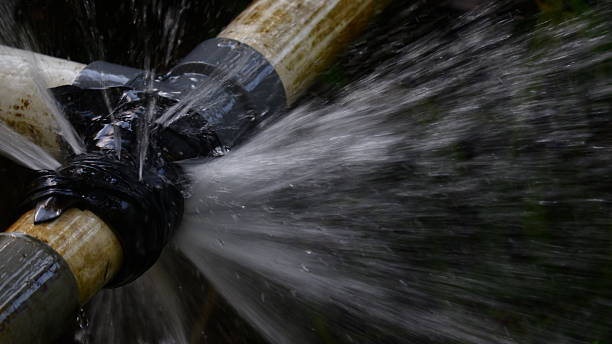
Sometimes it’s obvious. Water spraying from a wall or ceiling doesn’t leave much room for doubt.
Other times, the signs are subtle:
- A sudden drop in water pressure
- Unexplained water stains on ceilings
- Bubbling paint or warped drywall
- The sound of running water when everything is turned off
- Wet carpet or flooring with no clear source
In colder months, frozen pipes are a common cause. As water freezes, it expands. That pressure can split copper, PVC, or PEX lines. When the ice thaws, water escapes through the crack.
If you suspect a pipe break, assume it’s real and act quickly. Waiting “just to see” can cost thousands in water damage.
Step 1: Shut Off the Main Water Supply Immediately
This is the most important move.
Every homeowner should know where the main shutoff valve is located. It’s often:
- Near the water meter outside
- In the garage
- In a utility closet
- Along an exterior wall
Turn the valve clockwise until it stops. That cuts off water to the entire house.
If the burst pipe is near a fixture and you can isolate that section with a local valve, that helps. But if you’re unsure, shut off the whole house.
Water damage spreads quickly. Floors absorb it. Drywall wicks it upward. Cabinets swell. The faster you stop the flow, the better.
Step 2: Turn Off Electricity in Affected Areas
Water and electricity are a dangerous mix.
If water is near outlets, appliances, or your breaker panel, turn off power to those areas at the electrical panel. Do not step into standing water to do this.
If you’re unsure or feel unsafe, wait for professionals.
Step 3: Drain the Plumbing System
After shutting off the main supply, open all cold water faucets in the home. Then flush toilets.
This relieves remaining pressure in the pipes and drains and leftover water from the lines. It reduces continued dripping from the brake and helps limit damage.
If the burst pipe is in the attic or upper level, gravity will continue pushing water down until the lines are empty. Draining the system speeds that up.
Step 4: Contain and Control the Water
Now focus on minimizing damage.
Use:
- Towels and blankets
- Buckets or storage bins
- A wet/dry vacuum
- Fans for air circulation
Move furniture, rugs, and valuables away from the affected area.
If water is coming through the ceiling, place a bucket underneath and carefully poke a small hole in the lowest sagging section. That may sound wrong, but it prevents the entire ceiling from collapsing under trapped water.
Step 5: Document the Damage
Take photos and short videos.
Capture:
- The source of the leak
- Affected flooring
- Damaged drywall or ceilings
- Any personal property impacted
This documentation helps with homeowners’ insurance claims. The more detailed your record, the smoother the claim process tends to be.
Step 6: Call a Licensed Plumber for Burst Pipe Repair
Once the water is stopped and the area is safe, call a professional.
Burst pipe repair is not a DIY job in most cases. Temporary fixes like pipe tape or clamps might slow a drip, but they won’t solve a split line under pressure.
A licensed plumber will:
- Identify the exact failure point
- Check for additional weak sections
- Repair or replace the damaged pipe
- Test pressure and inspect nearby lines
- Assess whether freezing, corrosion, or high pressure caused the issue
In some cases, the problem isn’t just one pipe. Expansion tanks, pressure regulators, or aging water heaters can all contribute to pipe stress.
If you’re searching for experienced help in North Texas, companies like Jennings Plumbing Services provide emergency response and pipe break repair across local communities.
Why Pipes Burst in the First Place
Understanding the cause helps prevent the next one.
Freezing Temperatures
When pipes freeze, expanding ice builds pressure inside the line. The break often occurs at a weak joint or elbow, not necessarily where the ice forms.
Attics, exterior walls, and uninsulated garages are common problem spots.
High Water Pressure
Most homes should have water pressure between 40 and 60 psi. If it climbs above 80 psi, it strains fittings and valves.
A failing pressure-reducing valve can cause this issue silently over time.
Corrosion in Older Pipes
Galvanized steel pipes corrode from the inside out. Eventually, walls thin and split.
Copper can also develop pinhole leaks due to water chemistry or age.
Slab Leaks
In homes built on concrete slabs, water lines often run beneath the foundation. Shifting soil or foundation movement can stress the pipes.
Homeowners in places like Little Elm sometimes search for slab leak repair after noticing warm spots on floors or rising water bills.
Failing Water Heaters
Water heaters connect directly to your plumbing system. If internal pressure builds or connections weaken, lines can rupture nearby.
What Not to Do During a Pipe Break
When panic sets in, people make mistakes. Here’s what to avoid:
- Don’t ignore small leaks, hoping they’ll stop
- Don’t rely on duct tape as a final fix
- Don’t leave the water running while you “check things.”
- Don’t use electrical tools in standing water
- Don’t delay calling a plumber
Water damage multiplies by the minute.
After the Repair: What Happens Next?
Once the burst pipe repair is complete, the focus shifts to drying and restoration.
You may need:
- Industrial drying equipment
- Drywall removal if soaked
- Flooring replacement
- Mold inspection if moisture lingered
Most mold growth begins within 24 to 48 hours in damp conditions. Quick drying reduces risk.
If you caught the break early, damage may be minimal. If it runs for hours, restoration can become a larger part of the project.
Preventing Future Burst Pipes
No homeowner wants to go through this twice.
Here’s how to reduce risk:
Insulate Exposed Pipes
Foam insulation sleeves are inexpensive and effective. Wrap pipes in attics, crawl spaces, and garages before winter hits.
Let Faucets Drip During Freezes
Moving water freezes more slowly. A small drip during hard freezes relieves pressure.
Keep Cabinet Doors Open
Allow warm indoor air to circulate pipes under sinks during cold spells.
Monitor Water Pressure
Install a pressure gauge on an outdoor spigot. If readings are high, have a plumber inspect your pressure regulator.
Schedule Annual Plumbing Checks
Routine inspections catch corrosion, loose fittings, and aging components before they fail.
When It’s a Plumbing Emergency
Call immediately if:
- Water is actively spraying
- A ceiling is sagging heavily
- Water is near your electrical panel
- You cannot locate the shutoff valve
- The leak involves your water heater
Emergency plumber services exist for moments like this. Acting fast can save thousands in structural repairs.
Local Considerations in North Texas
Homes in Texas face unique plumbing challenges.
- Sudden winter freezes
- Expansive clay soil shifting foundations
- Slab-built construction
- High mineral content in water
These factors increase stress on pipes. Burst pipe repair is common during unexpected cold snaps when temperatures drop quickly overnight.
If you live in areas like Frisco, Little Elm, Prosper, or surrounding communities, preparing before winter can prevent a midnight disaster.
The Emotional Side of Water Damage
Let’s be honest. A burst pipe feels overwhelming.
Water is everywhere. You’re worried about cost. You’re wondering how bad it is.
Take a breath.
The key steps are simple:
- Shut off the water
- Cut power if needed
- Drain lines
- Contain damage
- Call a plumber
Everything after that is manageable.
Most burst pipe situations are fixable. Even major water damage can be restored. Acting quickly is what separates a minor repair from a major rebuild.
How to Choose the Right Plumber for Pipe Break Repair
Not all plumbing companies respond the same way during emergencies.
Look for:
- Licensed and insured technicians
- Clear communication
- Upfront pricing
- Experience with slab leaks and water heater lines
- Local reputation and reviews
You want someone who can diagnose the cause, not just patch the symptom.
Jennings Plumbing Services works with homeowners across the region and understands how Texas weather and soil affect residential plumbing systems.


